Transforming Everyday Spaces Through Commercial Elevator Interior Trends
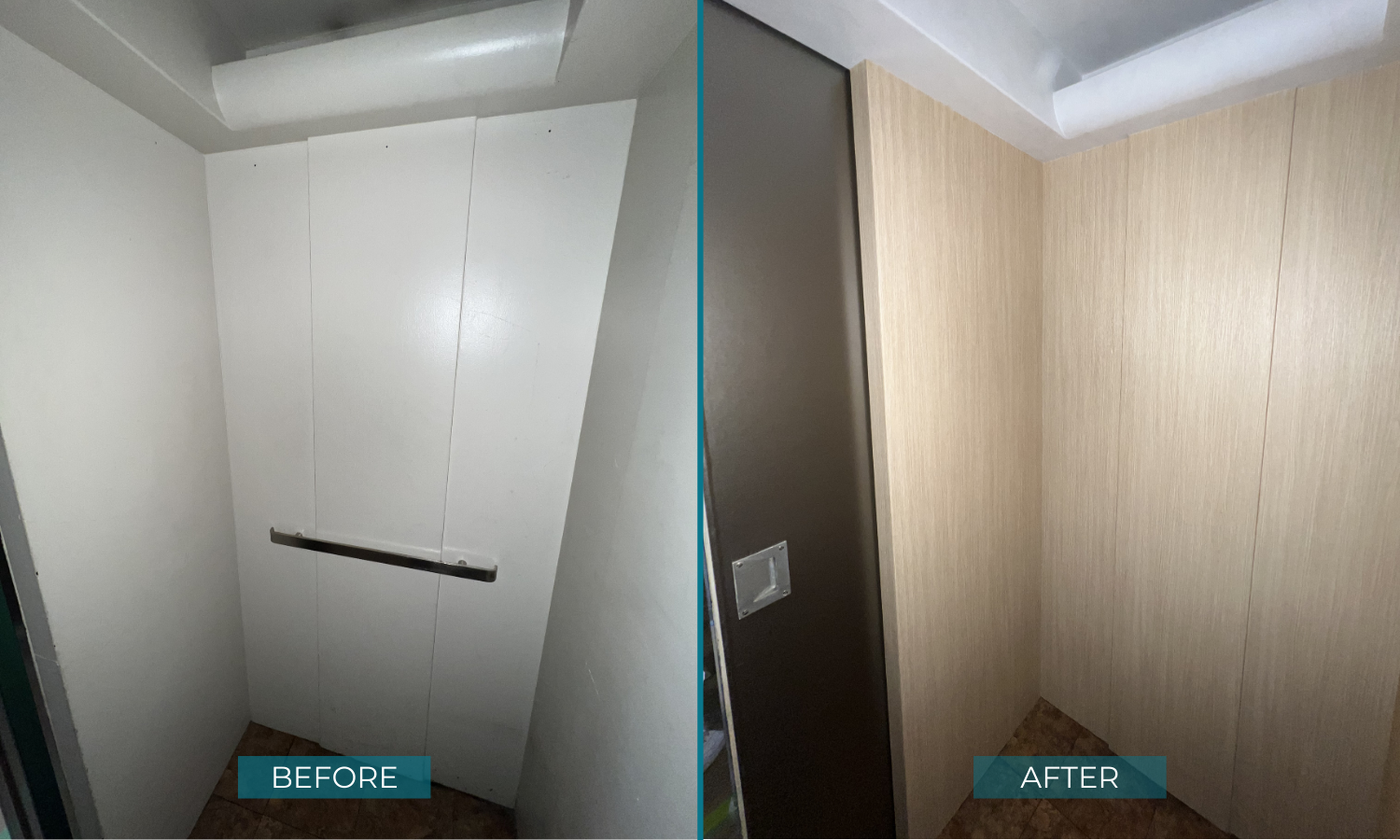
Built in 1958, Charlton Court is a four-level residential complex comprising 21 units, a property with history, character, and a need for thoughtful modernization. Recently, Nelcos’ certified installers completed a full interior wrap of the main elevator, transforming a dated cabin into a contemporary, welcoming space aligned with today’s commercial elevator interior trends.
Rather than undertaking a disruptive renovation with traditional materials, the project leveraged high-performance architectural films, delivering a dramatic visual upgrade quickly, cleanly, and cost-effectively.
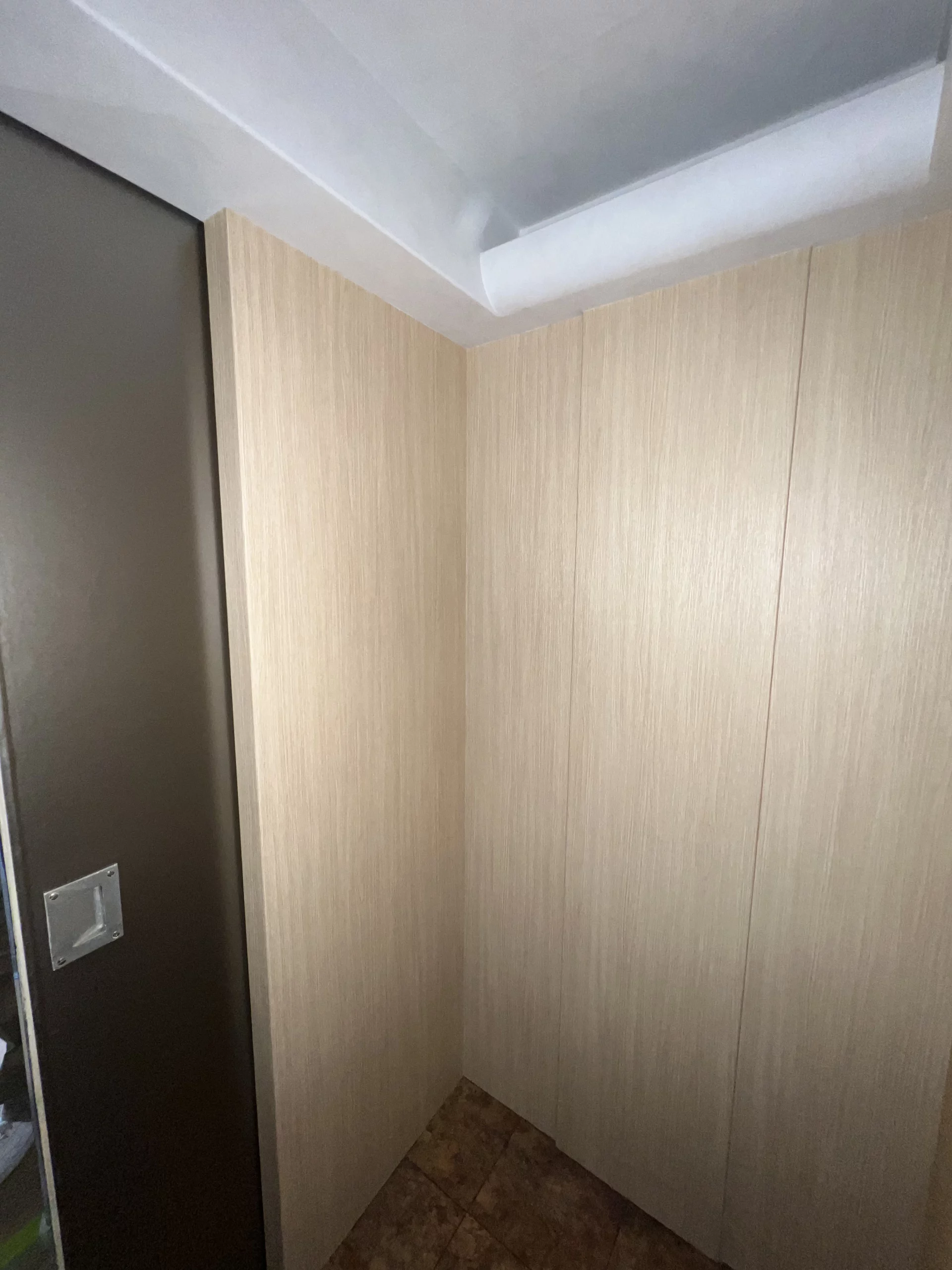
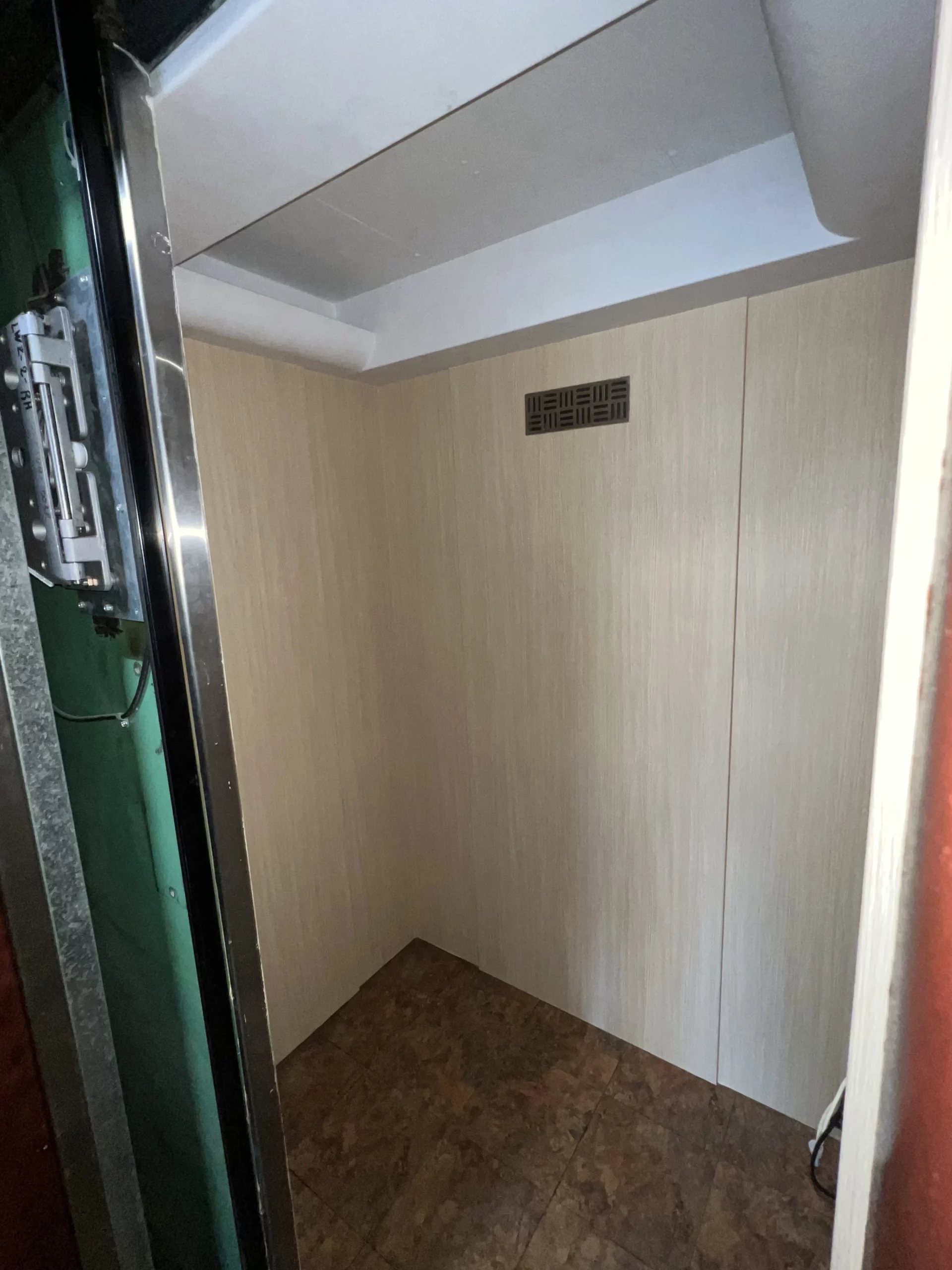
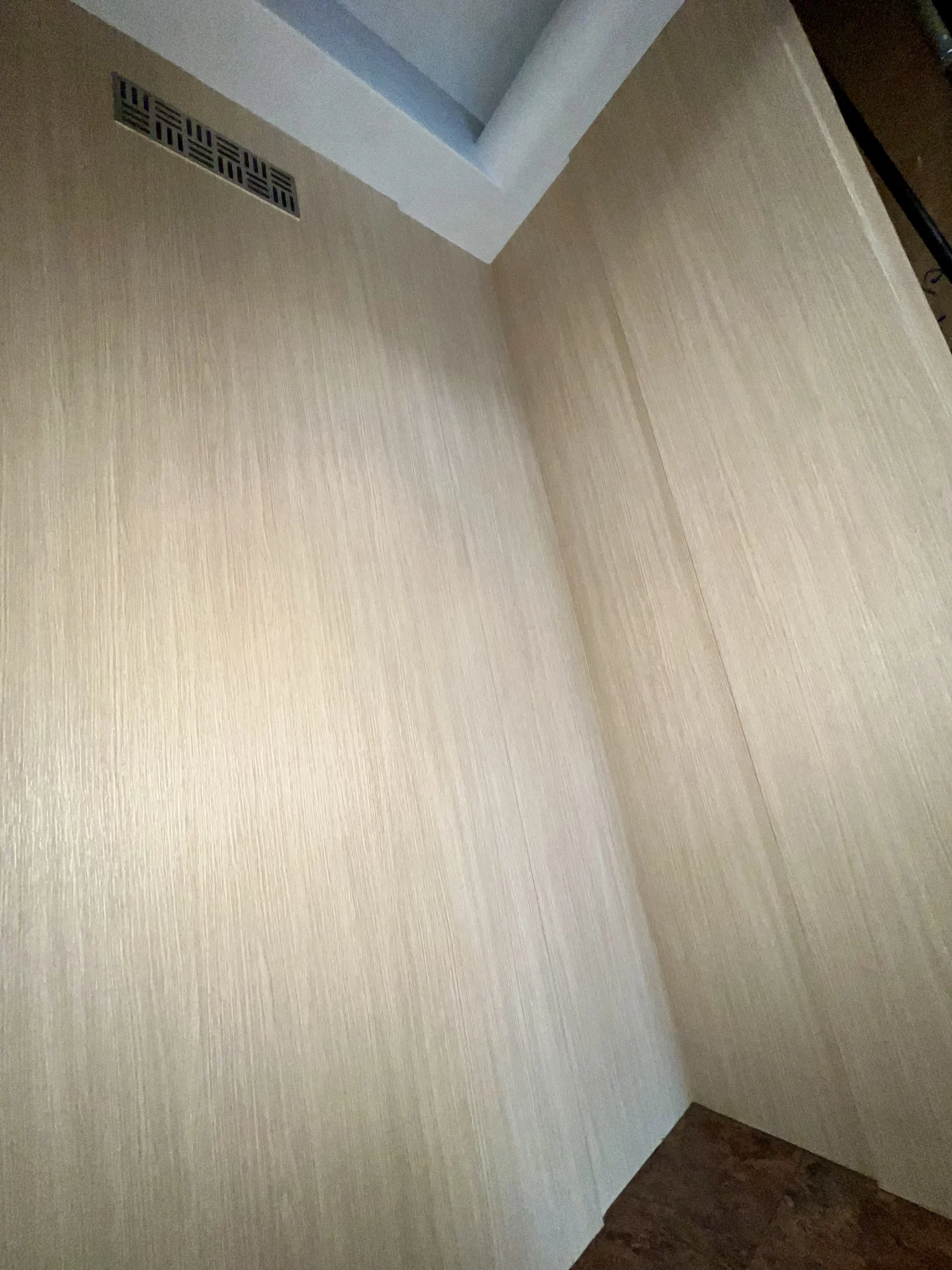
Modernized elevator interior at Charlton Court showcasing today’s commercial elevator interior trends through warm wood, clean white surfaces, and metallic accents.
Table of Contents
Add a header to begin generating the table of contents
A Carefully Curated Material Palette
The design approach focused on balancing warmth, brightness, and sophistication, key themes in modern elevator interiors.
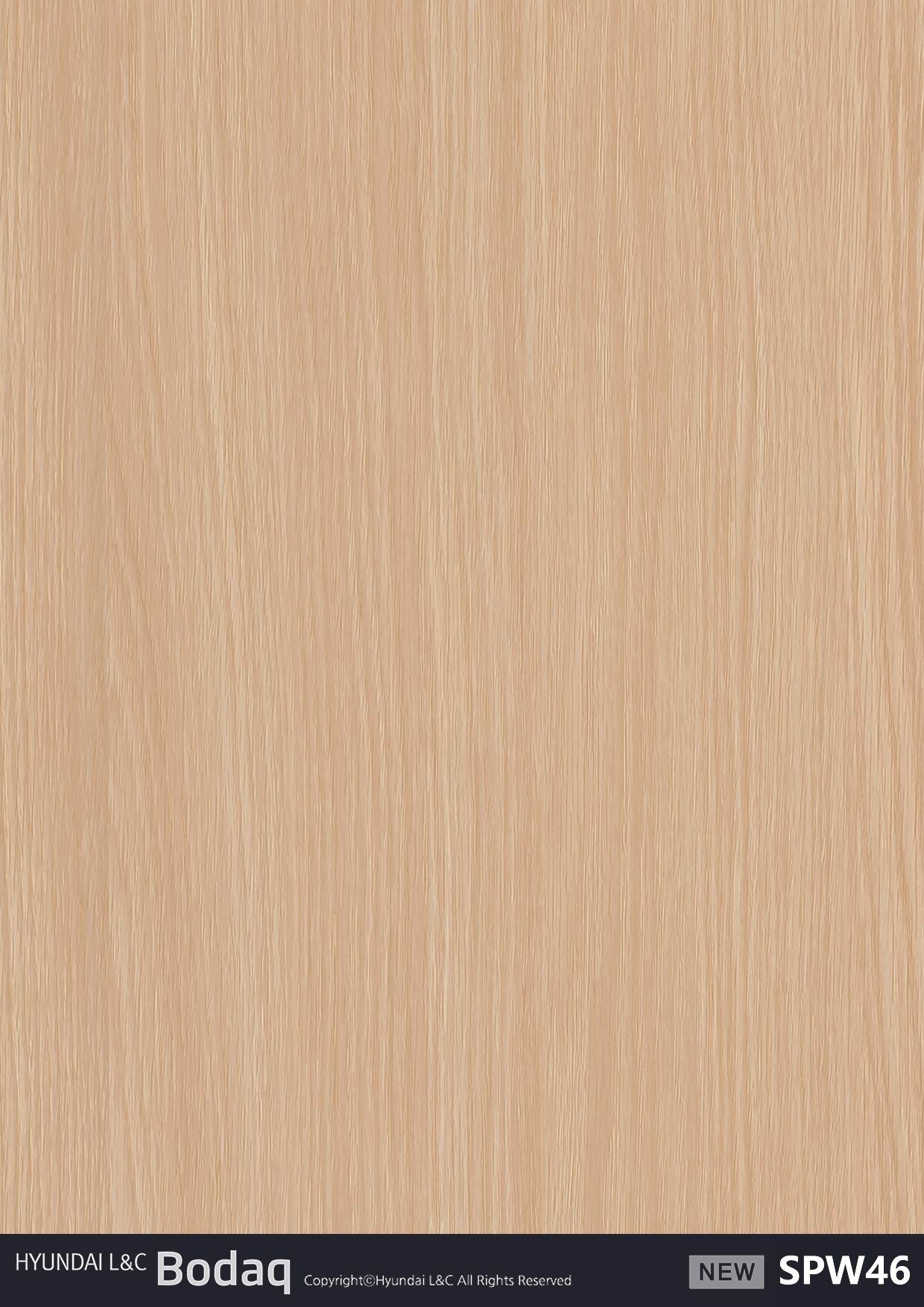
The walls were finished with SPW46, a warm wood-look film that immediately softens the environment and adds residential comfort.
Wood finishes remain one of the most influential elements in contemporary elevator design. Natural tones introduce warmth and character while maintaining a refined appearance, helping elevators feel less mechanical and more architectural.
Wood-inspired surfaces also support biophilic design principles, which emphasize human connection to natural materials, a growing priority in both commercial and residential properties.
For Charlton Court, the result is a cabin that feels inviting, timeless, and visually cohesive with modern interior expectations.
Clean White Ceiling — PNC52
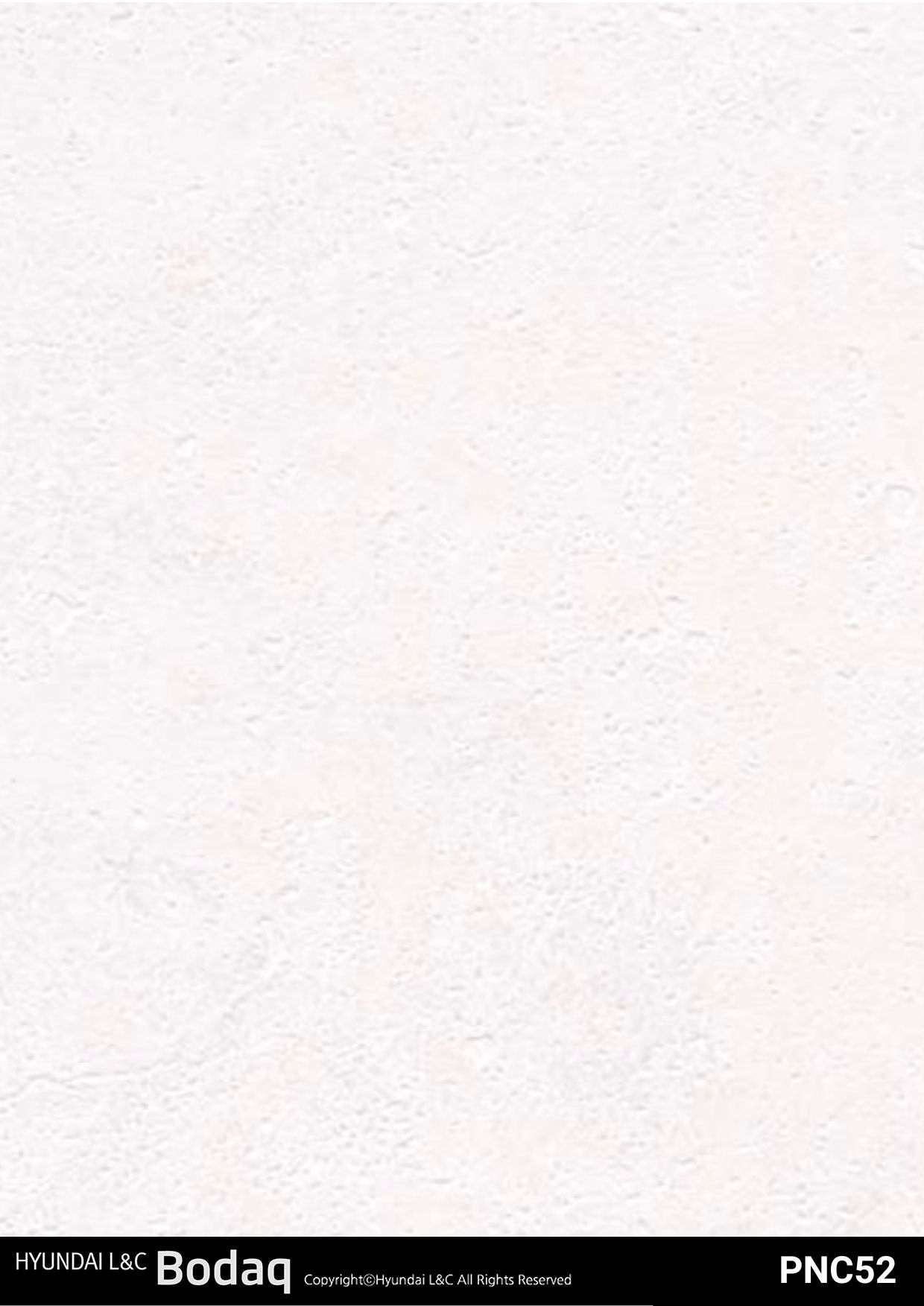
To complement the warm walls, PNC52, a crisp white pattern, was applied to the ceiling.
Light ceilings serve multiple purposes:
Enhance brightness within compact spaces
Reflect lighting for a more open feel
Balance darker materials below
Create a clean, contemporary finish
In smaller elevator cabins, lighter surfaces can make the space feel larger and more comfortable, an important consideration for daily residential use.
The elevator doors were wrapped in UMI01, a shiny metallic silver finish that introduces contrast and modernity.
Metallic elements are a major component of current design trends, delivering a premium appearance without the cost, weight, or maintenance of real metal.
The reflective surface also enhances lighting and provides durability in a high-touch area, making it both a functional and aesthetic upgrade.
Why Wood-Look Films Are Dominating Elevator Renovations
Among all materials used in modernization projects, wood-look finishes consistently stand out. They offer a rare combination of warmth, sophistication, and versatility, suitable for both residential buildings and commercial properties.
Popular reasons property managers choose wood aesthetics include:
Timeless appeal that avoids trend fatigue
Compatibility with traditional and modern architecture
Ability to create a welcoming first impression
Visual upgrade without structural modifications
Classic wood tones such as oak and mahogany have long been associated with durability and elegance, making them ideal for frequently used spaces like elevators.
A Smarter Alternative to Traditional Renovation
One of the most significant advantages of architectural films is efficiency.
Refinishing an elevator with conventional materials typically requires:
Removal of existing panels
Structural modifications
Extended downtime
High labor and material costs
Architectural film installation, by contrast, can be completed quickly with minimal disruption, often in a fraction of the time.
Industry insights highlight refinishing with film as an affordable modernization strategy that moves interiors “from dated to contemporary with ease.”
For residents of Charlton Court, this meant improved aesthetics without prolonged elevator shutdowns, a crucial benefit in multi-story residential buildings.
Elevating Daily Experience
Elevators are among the most frequently used shared spaces in any building. While often overlooked, their condition strongly influences how residents and visitors perceive the property as a whole.
The Charlton Court project demonstrates how thoughtful material selection can transform a small footprint into a standout design feature:
Warm wood walls create comfort
Bright ceiling enhances openness
Metallic doors add contemporary polish
Seamless installation minimizes disruption
Together, these elements align perfectly with modern commercial elevator interior trends, proving that even mid-century buildings can achieve a fresh, upscale look without major construction.
The Bottom Line
Charlton Court’s elevator renovation shows that modernization does not have to be invasive or expensive to be impactful. By combining current design trends with advanced architectural films, Nelcos delivered a solution that is:
Visually striking
Cost-effective
Durable
Fast to install
Tailored to the building’s character
As more property owners seek efficient ways to enhance aging infrastructure, projects like this highlight the growing role of architectural films in contemporary renovation strategies.
Ready to transform your space?
Contact Nelcos to explore our full range of interior finishes.
What are the current trends in commercial elevator interiors?
Modern commercial elevator interior trends focus on a balance of aesthetics and functionality. Popular trends include warm wood-look finishes, bright or light-reflective ceilings, and metallic accents that create a premium, welcoming environment. Films are increasingly used to achieve these looks quickly and cost-effectively.
Why choose architectural films over traditional materials for elevator upgrades?
Architectural films offer several advantages: fast installation, lower cost, minimal disruption to residents or employees, and a wide range of finishes. They can replicate wood, metal, and other premium materials without the need for structural modifications.
How durable are elevator interior films?
High-quality architectural films are designed for high-traffic areas. They resist scratches, stains, and everyday wear while maintaining their appearance for 10 years when properly installed and maintained.
Can wood-look films really achieve the same warmth and elegance as real wood?
Yes. Modern wood-look films mimic natural textures and tones, providing the visual warmth and sophistication of real wood, while being easier to maintain and more cost-effective.